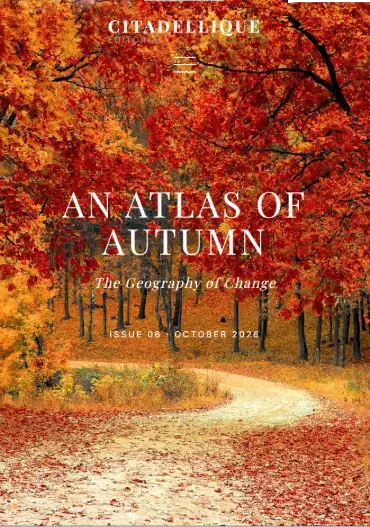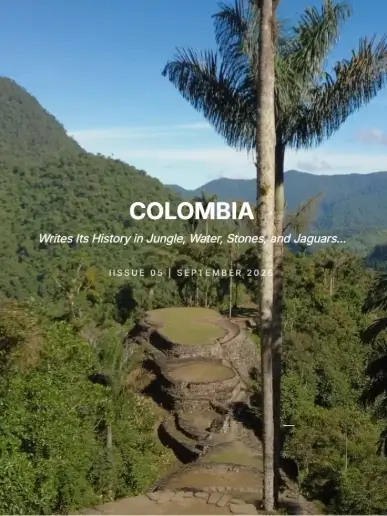
ART OF TRAVEL

ECHOES OF HISTORY
by Lucian Ciuchiță
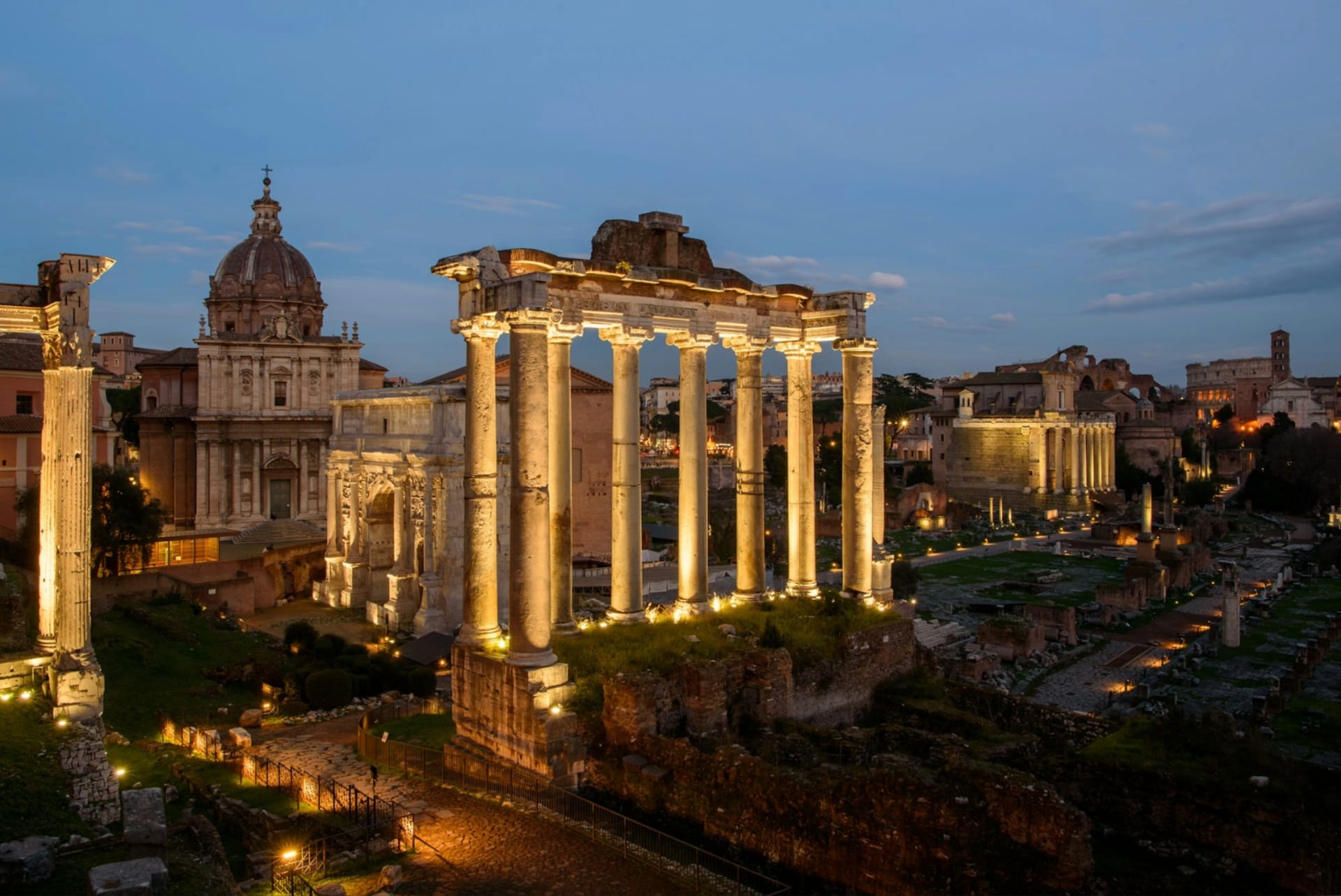
Four imperial worlds, four ways in which a world can change — each offering a glimpse into the way time works upon power, cities and the people who inhabit them. Every empire that fades leaves behind a light that remains, waiting to be seen in another colour.
Rome shows that the seat of imperial power can shift without the empire disappearing. Byzantium taught us that a name can survive the autumn that has overtaken it. The Ottomans learned that power can adapt. And Qing discovered, perhaps too late, that the world around it had changed. All these autumns gather into one.
When an empire fades, another world rises from the roots of its autumn.
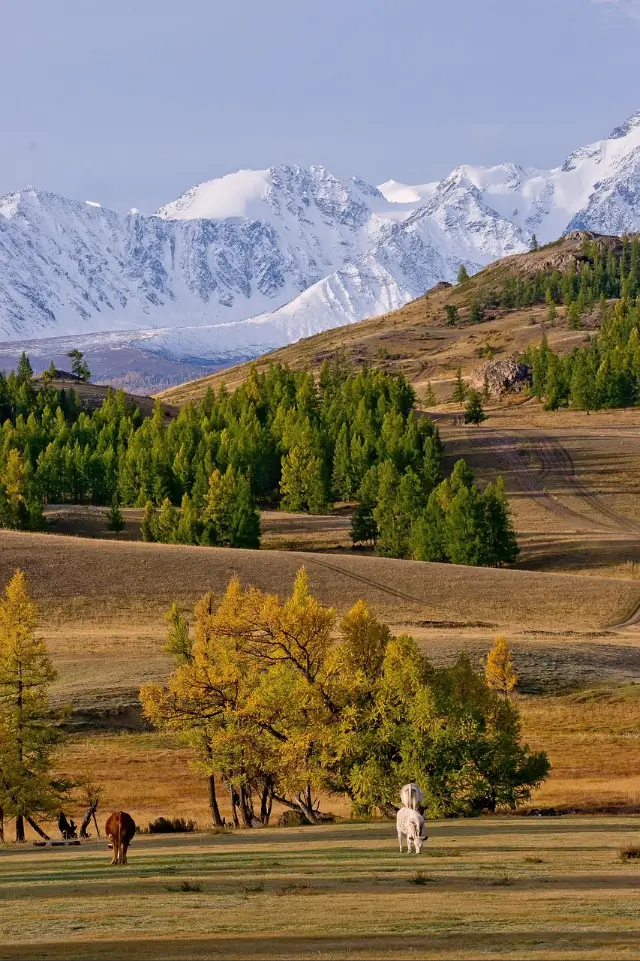
READ THE FEATURETwo landscapes, two ways of turning


EDITOR'S THOUGHTS
AUTUMN
We call this a change, but the forest might call it a confession.
The Atlas of Autumn begins where empires enter their autumn — Rome, Byzantium, the Ottomans, the Qing — worlds that went on building even as the light that had made them was already fading. What looked like an ending was, in every case, a passage into another form.
Another autumn burns gold for twenty days above the lakes of Kanas, in Xinjiang, China — a brief radiance before the landscape dons the white of winter.
And then the late autumn of Burgundy, where wine becomes a metaphor for continuity: the vine's roots holding to the earth, the harvest holding to the autumn of each year, the bottle holding two thousand autumns.
In each of these autumns, sunset proves to be a threshold. Beyond it, another world rises. But the most powerful autumn of all remains the one inside us.
Citadellique Editorial
Echoes that come alive with every page turned.